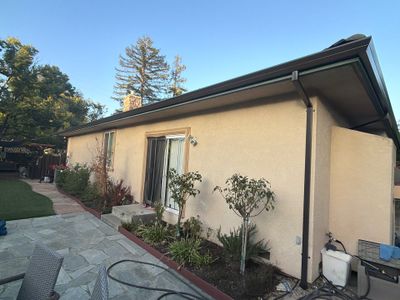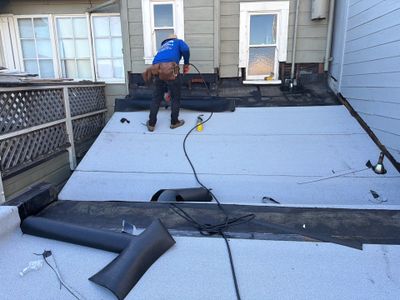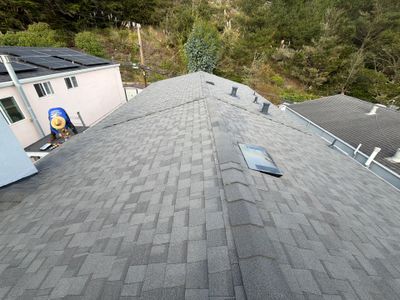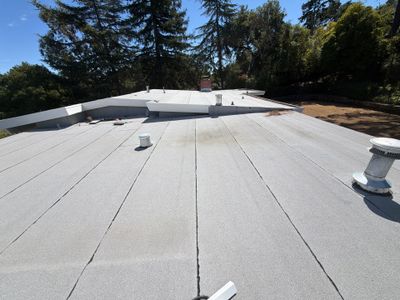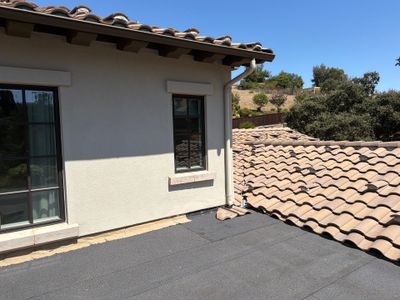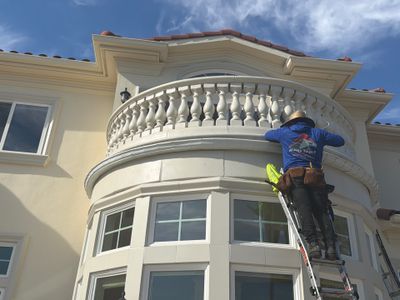
A new roof installation is the full roof system built from the deck up: sheathing, underlayment, flashing, ventilation, drip edge, and the finished roofing material. Alpha Eagle Roofing installs shingle, tile, metal and low-slope roofs across six Bay Area counties, pulls the permit, and stays on the job through final inspection. Every estimate is free and in writing, based on an inspection of your roof.
New roof installation at a glance
- Scope
- The complete system from the deck up: sheathing, underlayment, flashing, ventilation, drip edge and the finished roofing
- Roof types
- Shingle, tile, standing-seam metal and low-slope
- Time on the roof
- A few working days for a typical single-family home, once the permit is issued and materials arrive
- Permit
- Pulled by us; we meet the inspector and close it after final inspection
- License
- CSLB #1148511, Class C-39 Roofing Contractor
Who this service is for
- Homeowners whose roof is at the end of its life and want a complete new system, not another patch (see also roof replacement).
- Owners building an addition or an ADU who need the new roof tied cleanly into the existing one.
- General contractors and developers who need a licensed roofing contractor that works from plans and shows up for inspections.
- Buyers and sellers who need a roof that will pass inspection and carry a written warranty.
Signs it is time for a new roof
Leaks in more than one place
One leak is a repair. Leaks showing up in different rooms or every storm season usually mean the underlayment has failed across the roof.
Worn-out shingles
Curling, cracking, bare patches where the granules are gone, or granules collecting in the gutters and at downspout outlets.
Soft or sagging areas
A deck that flexes underfoot or a roofline that dips points to water damage in the sheathing or framing.
Daylight or stains in the attic
Light through the boards, dark water stains on the underside of the deck, or damp insulation.
A roof that is two layers deep already
California code does not allow a third layer, so the next roof has to start with a full tear-off.
A planned addition, ADU, or solar install
Putting solar panels on a roof with only a few years left means paying to remove and reinstall them later.
Our installation process
- Inspection and written estimate We go on the roof and into the attic, measure, check the deck and ventilation, and give you a written, itemized estimate. No price over the phone, because we cannot see the roof over the phone.
- Material and code review We walk you through material options and check what your property requires: Title 24 cool-roof rules for your climate zone, Class A fire rating in fire hazard zones, HOA rules, and structural capacity if you are moving to tile.
- Permit Most Bay Area cities require a building permit for a new roof or reroof. We pull it and schedule the inspections.
- Site protection Tarps over landscaping, plywood against walls and windows where debris falls, and a plan for the driveway and access.
- Tear-off and deck inspection On existing homes we remove the old roofing down to the deck, then inspect every sheet. Rotted or delaminated sheathing is replaced, and spaced boards under old shakes are covered with solid sheathing.
- Dry-in Drip edge, self-adhered membrane at valleys, eaves, penetrations and wall transitions, and synthetic underlayment over the field. Any section we open gets dried-in the same day.
- Flashing and ventilation New flashing at walls, chimneys, skylights and pipes, and an intake-and-exhaust ventilation layout sized to your attic.
- Roof installation Shingle, tile, metal or membrane installed to the manufacturer's published instructions, which is what the material warranty depends on.
- Cleanup and magnet sweep Debris hauled away, gutters cleared, and a magnetic sweep of the driveway, walkways and yard for nails.
- Final inspection and walkthrough We meet the city inspector for final sign-off, walk the job with you, and hand over the photo record and warranty paperwork.
What goes into a roof that lasts
The shingles or tile are the part you see. Whether the roof actually keeps water out for decades depends mostly on the layers underneath.
Decking
The roof is only as solid as the plywood or OSB under it. We replace soft, rotted or delaminated sheets rather than covering them, and fasten new sheathing to the framing on the schedule the code calls for. Older Bay Area homes often have spaced boards from an original wood-shake roof; shingles need solid sheathing over those boards.
Underlayment
Synthetic underlayment over the field, and self-adhered membrane where water concentrates: valleys, eaves, around chimneys, skylights and pipes, and where the roof meets a wall. Tile roofs get an underlayment system rated for tile, because under tile the underlayment does most of the waterproofing.
Ventilation
An attic needs balanced intake (at the eaves) and exhaust (near the ridge). California's residential code sets a minimum net free vent area of 1/150 of the attic floor area, or 1/300 when intake and exhaust are balanced. Poor ventilation cooks shingles from below and traps moisture, so we size it to your attic rather than adding one more vent.
Drip edge and edges
Current code requires drip edge at the eaves and rakes of asphalt shingle roofs. It keeps water off the fascia and directs it into the gutter. We also check the fascia boards while the edge is open and replace rotted sections before new gutters go on.
Flashing
Most leaks start at flashing, not in the middle of the roof. New step and counter flashing at walls, new chimney flashing (with a cricket behind wide chimneys), new pipe boots, and properly lapped valleys. On stucco walls that means cutting in counter flashing correctly, not relying on caulk.
Built for Bay Area conditions
A roof in the Outer Sunset deals with different problems than one in the Oakland hills or in San Jose. We spec the system for where your house actually is.
Fog and salt air
Near the coast and the Bay, fasteners, flashing and metal edges corrode faster, and shaded north slopes grow algae and moss. We use corrosion-resistant fasteners and flashing near the water and recommend algae-resistant shingles where fog sits.
Hills and wind
Ridgeline and hillside homes take more wind, and steep lots make access and staging harder. Hillside jobs get wind-rated installation details and a staging plan before work starts.
Wildfire zones
In designated Fire Hazard Severity Zones, California's wildland-urban interface rules (Chapter 7A of the Building Code) require a Class A fire-rated roof assembly, and ember-resistant details matter at vents, edges and gutters. We check your parcel's zone during the estimate. See Class A roofing in Bay Area fire zones.
Title 24 cool roofs
California's energy code (Title 24) requires cool-roof products on many reroofs depending on climate zone, roof slope and building type; it tends to apply in warmer inland zones more than along the coast. We confirm your zone and specify a compliant product so the permit closes without surprises. See Title 24 cool-roof requirements.
New construction, additions and ADUs
On new work we coordinate with your general contractor and architect so the roof is not the trade holding up the schedule.
Working from plans
We review the roof plan and specs, flag details that tend to leak (low-slope transitions, wall intersections, roof-to-deck connections) before framing is finished, and price from the drawings.
Inspection timing
We schedule dry-in and installation around framing and roof inspections so the building can close up on time.
Tying into an existing roof
On additions the new roof has to tie into the old one without creating a leak line. When an exact material match is not available, replacing the adjoining visible slope is sometimes the cleaner answer. We will tell you which applies.
Paperwork for GCs
We provide certificates of insurance and work under standard subcontract agreements.
Roofing materials: honest pros and cons
Architectural asphalt shingles
Pros
- Most cost-effective full system
- Many products carry a Class A fire rating
- Cool-rated colors available for Title 24
- Easy to repair later
Cons
- Shorter service life than tile or metal
- Shaded fog-belt slopes can grow algae (algae-resistant products help)
- Exposed ridgelines see more wind wear
Concrete and clay tile
Pros
- Class A fire rating
- Long-lived and stands up well to salt air
- Suits Spanish, Mediterranean and Mission-style homes
Cons
- Heavy: switching from shingles needs a structural check
- Tiles crack when walked on, so repairs need care
- The underlayment beneath wears out before the tile does
Standing-seam metal
Pros
- Long service life with little maintenance
- Class A assemblies available
- Sheds leaves and needles; works well under solar
Cons
- Higher upfront cost
- Near the ocean the metal, finish and fasteners must be chosen for salt exposure
- Detailing at edges and penetrations takes experience
Low-slope systems (TPO, modified bitumen)
Pros
- The right answer for flat and low-slope roofs
- White membranes meet cool-roof requirements
- Seams can be heat-welded (TPO) or torch-applied (modified bitumen)
Cons
- Ponding water shortens their life, so drainage has to be right
- Seams and edges are where they fail
- Foot traffic from roof decks and equipment needs protection
We do not recommend untreated wood shake for new installs, and many fire-zone jurisdictions restrict it. Compare systems side by side on our roofing materials guide.
Thanks. Your request is in.
We will text you to confirm.
Active leak? Our 24/7 emergency line is (415) 410-7917. Call now and we will prioritize your request.
Call (415) 410-7917What affects the cost
Two roofs of the same size can be very different jobs, so every price comes from an inspection, in writing. Your estimate is built from these factors:
- Roof area, number of planes, pitch and height
- The material system you choose
- How many existing layers have to come off, and what is under them
- Decking repairs found after tear-off (priced per the terms in your contract)
- Access: steep lots, hillside homes, tight San Francisco side yards, scaffolding needs
- Chimneys, skylights, vents and other penetrations to flash
- Code-driven items: Title 24 cool-roof product, Class A assembly, ventilation upgrades
- Permit, inspections and disposal
- Related work you add: gutters, fascia, skylights, solar removal and reinstall coordination
Timeline, permits and inspection
How long it takes
Once the permit is issued and materials are delivered, the roof work on a typical single-family home takes a few working days. Tile, steep or multi-level roofs and larger buildings take longer. We do not open a roof with rain in the forecast, and anything we open is dried-in before the crew leaves. Permit timing varies by city, and we give you a written schedule before work starts.
Permits and final inspection
Most Bay Area cities require a building permit for a new roof or a reroof. We pull it, schedule the required inspections, meet the inspector on site, and close the permit after final inspection. Unpermitted roofing can cause problems with insurance and when you sell, so we do not skip it.
Warranty and photo documentation
Written warranty
Every job we do comes with a written workmanship warranty, and the roofing materials carry their own manufacturer warranty on top of that. The exact terms for your job are written into your contract before any work starts, so you know what is covered and for how long before you sign. See our warranty page for how our warranty works.
Every job photographed in CompanyCam
We document every job in CompanyCam: before photos, in-progress photos of the work that ends up hidden (decking, underlayment, flashing), and after photos. That photo record is useful long after we leave, for an insurance claim, a warranty question, or a buyer's inspector when you sell. We can share it with you on request. See finished work in our project gallery.
Your protections under California law
Check the license.
Roofing in California must be done by a contractor licensed by the Contractors State License Board. Ours is CSLB #1148511, Class C-39 (Roofing). You can look up any contractor at cslb.ca.gov.
The down payment is capped by law.
On a home improvement contract, a California contractor may not ask for a down payment of more than $1,000 or 10% of the contract price, whichever is less.
Payments should not get ahead of the work.
Progress payments are supposed to track work actually completed and materials delivered, not run ahead of them.
You have a right to cancel.
California home improvement contracts must include a written notice of your right to cancel, generally within three business days of signing (seniors get a longer window).
Everything in writing.
Scope, materials, schedule, payment schedule, and warranty belong in the written contract. We price every job from an inspection, in writing, so there is nothing to argue about later.
Frequently asked questions
Do you install roofs on new construction, additions and ADUs?
Yes. We work from plans, coordinate with your general contractor and other trades, schedule around framing and roof inspections, and provide certificates of insurance. We also install complete new roofs on existing homes.
Can you match my existing roof on an addition?
Usually. We source from several manufacturers and distributors to find the closest available match. If an exact match is no longer made, replacing the adjoining visible slope at the same time is sometimes the better result, and we will tell you if that applies.
Which is better for the Bay Area: shingle, tile or metal?
It depends on the house. Architectural shingles are the most cost-effective full system. Tile suits Mediterranean-style homes and lasts a long time but is heavy. Standing-seam metal is long-lived and works well under solar but costs more upfront. We go through the trade-offs for your roof during the estimate.
Do I need a cool roof under Title 24?
It depends on your climate zone, roof slope and building type. Cool-roof requirements apply to many California reroofs, more often in warmer inland zones than along the coast. We check your zone and specify a compliant product so the permit closes cleanly.
My home is in a fire hazard zone. What roof do I need?
In designated Fire Hazard Severity Zones, California code requires a Class A fire-rated roof assembly. Asphalt shingle, tile and metal systems are all available in Class A assemblies. We confirm your parcel's zone during the estimate.
How long does a new roof installation take?
On a typical single-family home the roof work takes a few working days once the permit is issued and materials arrive. Tile, steep and complex roofs take longer. You get a written schedule before work begins.
Is the work permitted and inspected?
Yes. We pull the permit, schedule the inspections, meet the inspector, and close the permit after final inspection.
What warranty comes with a new roof?
Qualifying new roof installations come with our own 25-year workmanship warranty plus the manufacturer's material warranty, which runs up to 50 years on eligible GAF systems through the GAF System Plus Limited Warranty. Eligibility and terms are written into your proposal before you sign. See our warranty page for details.
Do your roofers install new roofs outside San Francisco?
Yes. We install new roofs on homes, additions and ADUs in San Mateo, Alameda, Contra Costa, Marin and Santa Clara counties as well as in the city. Permit offices and local conditions differ from town to town; our pages on roofing in Walnut Creek and San Mateo County roofing are two examples.